
A. C. Patil College of Engineering, Kharghar, proudly launches a new B.E. in Aeronautical Engineering (Affiliated to the University of Mumbai).

Email

admission@acpce.ac.in

Call

Call Us: 022-27745722/32

Enquiry Now

Department of Artificial Intelligence & Data Science

Introduction

The Department of Artificial Intelligence & Data Science was established in the year 2021 with an intake of 60. Artificial intelligence (AI) refers to the simulation of human intelligence in machines that are programmed to think like humans and mimic their actions. The term may also be applied to any machine that exhibits traits associated with a human mind such as learning and problem-solving. Artificial Intelligence will use algorithms in computers to solve the problem, whereas Data Science will involve many different methods of statistics. The primary purpose of Artificial Intelligence is to automate the process and bring autonomy to the model of data

Our Vision & Mission

Our Vision

To develop professionals in Artificial Intelligence & Data Science Engineering who are socially responsible to meet the needs of society and industries

Our Mission

Program Educational Objectives(PEOs)
After successful completion of the program, the graduates will be able-
  • To engage in lifelong learning to adapt with rapidly changing technologies in the field of Artificial Intelligence & Data Science.
  • To enhance proficiency across multidisciplinary domains of engineering for the effective implementation of AI systems
Program Specific Outcomes(PSOs)
  • Exhibit proficiency in programming, data science, and security, while extracting insights from the principles of Artificial Intelligence and data science
  • Apply professional engineering practices and strategies for the design, development, implementation & enhancement in AI systems.
Program Outcomes(POs)
  1. Engineering knowledge : Apply knowledge of mathematics, natural science, computing, engineering fundamentals and an engineering specialization as specified in WK1 to WK4 respectively to develop to the solution of complex engineering Problems.
  2. Problem Analysis : Problem Analysis: Identify, formulate, review research literature and analyze complex engineering problems reaching substantiated conclusions with consideration for sustainable development. (WK1 to WK4)
  3. Design/Development Solutions : Design/Development of Solutions: Design creative solutions for complex engineering problems and design/develop systems/components/processes to meet identified needs with consideration for the public health and safety, whole-life cost, net zero carbon, culture, society and environment as required. (WK5)
  4. Conduct investigations of complex problems: Conduct Investigations of Complex Problems: Conduct investigations of complex engineering problems using research-based knowledge including design of experiments, modelling, analysis & interpretation of data to provide valid conclusions. (WK8).
  5. The engineer Tool Usage: Create, select and apply appropriate techniques, resources and modern engineering & IT tools, including prediction and modelling recognizing their limitations to solve complex engineering problems. (WK2 and WK6)
  6. The Engineer and The World: Analyze and evaluate societal and environmental aspects while solving complex engineering problems for its impact on sustainability with reference to economy, health, safety, legal framework, culture and environment. (WK1, WK5, and WK7).
  7. Ethics : Apply ethical principles and commit to professional ethics, human values, diversity and inclusion; adhere to national & international laws.(WK9)
  8. Individual and Collaborative Team work: Function effectively as an individual, and as a member or leader in diverse/multi-disciplinary teams.
  9. Communication : Communicate effectively and inclusively within the engineering community and society at large, such as being able to comprehend and write effective reports and design documentation, make effective presentations considering cultural, language, and learning differences
  10. Project management and finance : Apply knowledge and understanding of engineering management principles and economic decision-making and apply these to one’s own work, as a member and leader in a team, and to manage projects and in multidisciplinary environments.
  11. Life-long learning : Recognize the need for, and have the preparation and ability for i) independent and life-long learning ii) adaptability to new and emerging technologies and iii) critical thinking in the broadest context of technological change. (WK8)

Message From HOD

Welcome to the Department of Artificial Intelligence and Data Science !! As the Head of this department, established in 2020-21, I am happy to welcome you. Our goal is to provide top-quality education and encourage innovative research in AI and data science. We want to give our students the skills and knowledge they need to succeed in today’s tech-driven world. AI and data science are changing many industries and parts of our lives. Our courses mix strong theoretical knowledge with practical applications, preparing our students to face real-world challenges and become future leaders. Our modern facilities and resources help students work on hands-on projects and cutting-edge research. Our faculty consists of experienced educators and researchers who love their fields and are dedicated to mentoring the next generation of AI and data science professionals. They have expertise in various areas like machine learning, big data, and natural language processing, ensuring our students get a well-rounded and current education. We are proud of our diverse and vibrant community, where students, faculty, and staff collaborate to create a supportive environment that promotes learning, innovation, and personal growth. Whether you are a prospective student, or current student, we invite you to explore the opportunities in our department. Thank you for your interest in the Department of Artificial Intelligence and Data Science. We look forward to your participation and contributions to the exciting world of AI and data science.

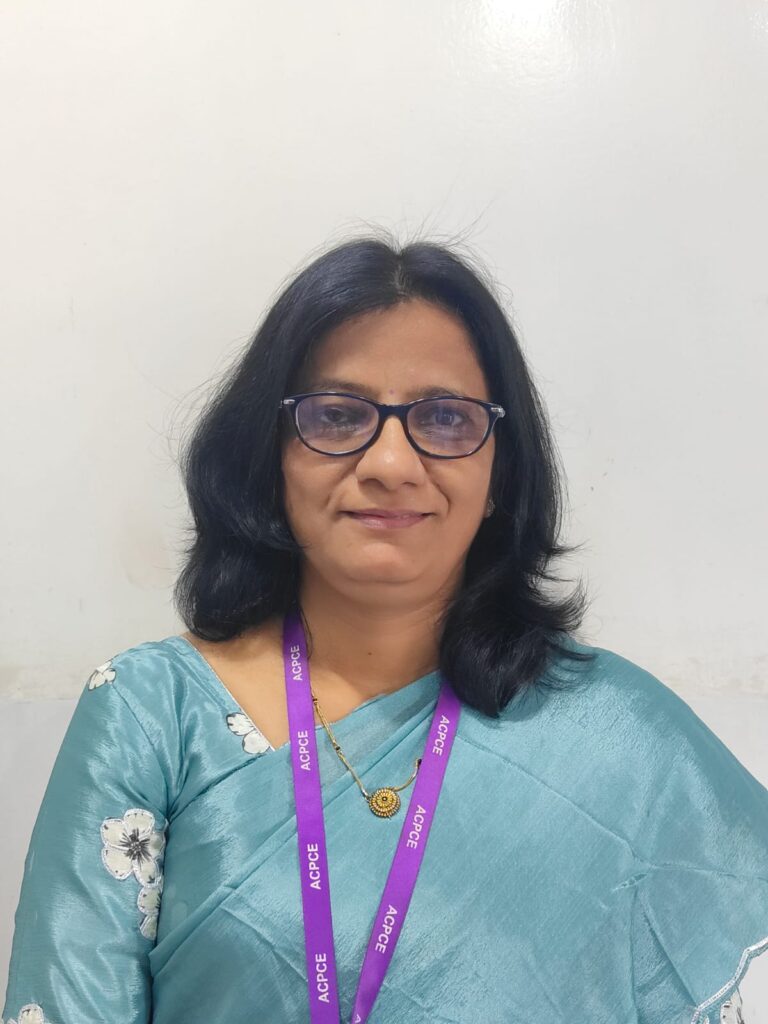
Prof. Shilpali P. Bansu

(BE, ME)

Faculty Details

Mrs. Pradnya Narnaware

Electrical Engineering

Mrs. Pradnya Narnaware

Electrical Engineering

Mrs. Pradnya Narnaware

Electrical Engineering
Mrs. Pradnya Narnaware

Electrical Engineering
Mrs. Pradnya Narnaware

Electrical Engineering
Mrs. Pradnya Narnaware

Electrical Engineering
Mrs. Pradnya Narnaware

Electrical Engineering

Mrs. Pradnya Narnaware

Electrical Engineering

Mrs. Pradnya Narnaware

Electrical Engineering

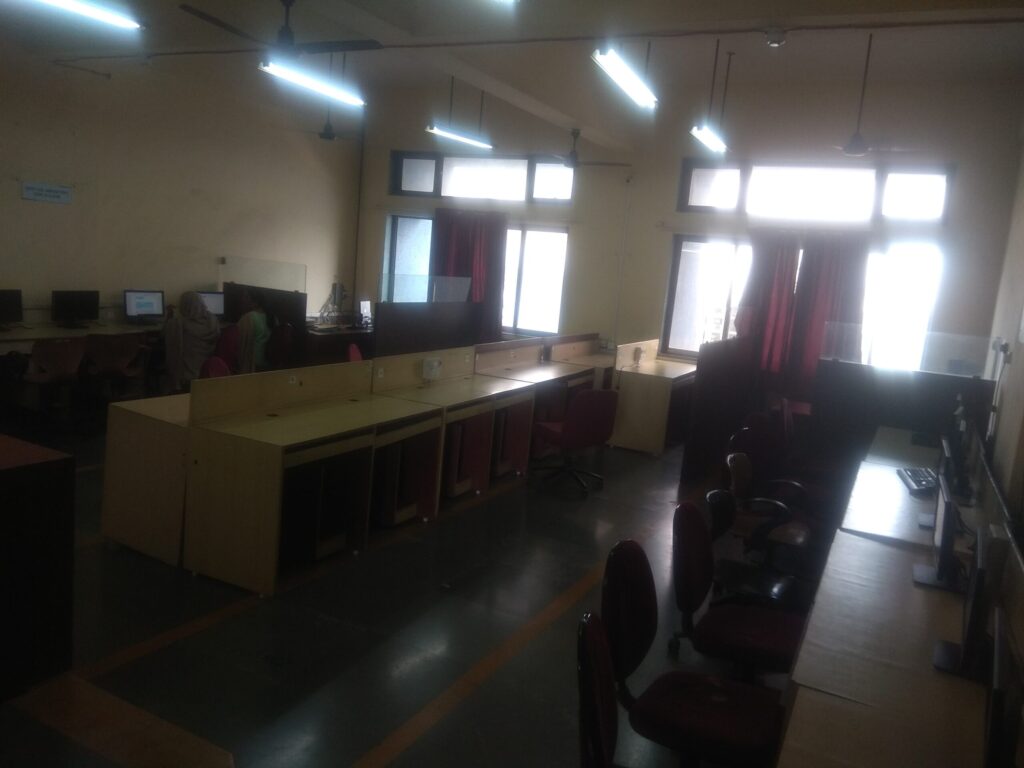
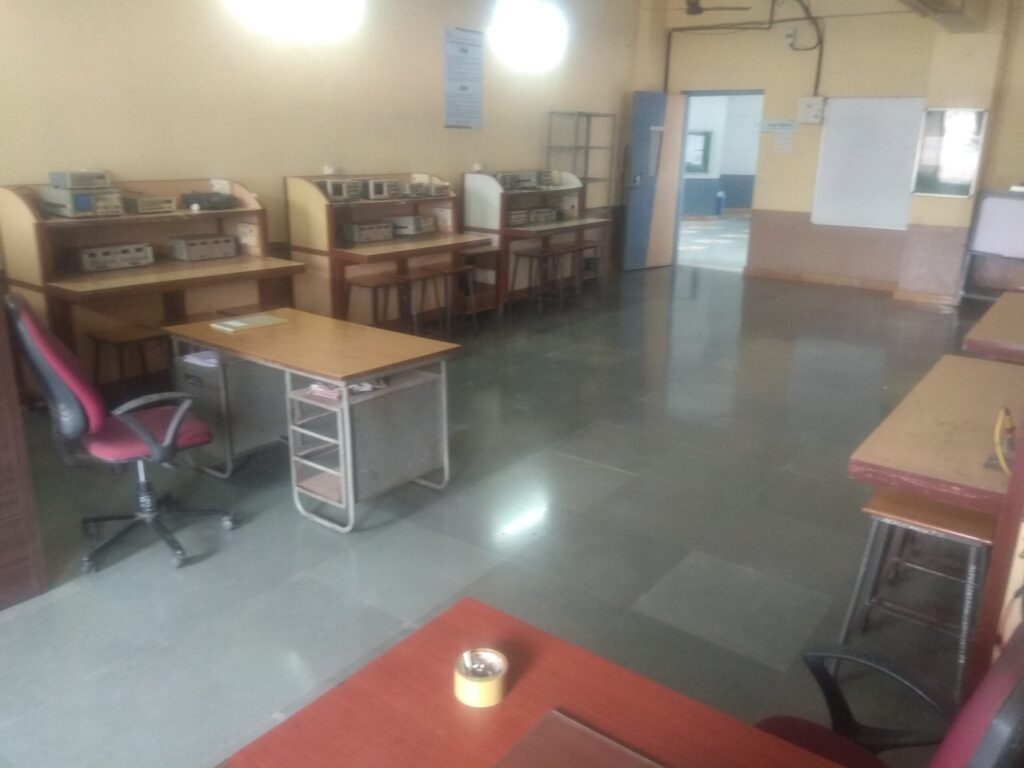
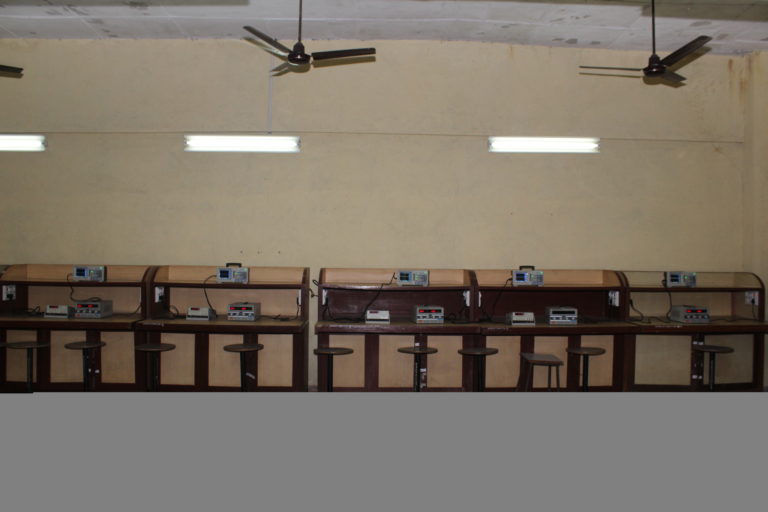
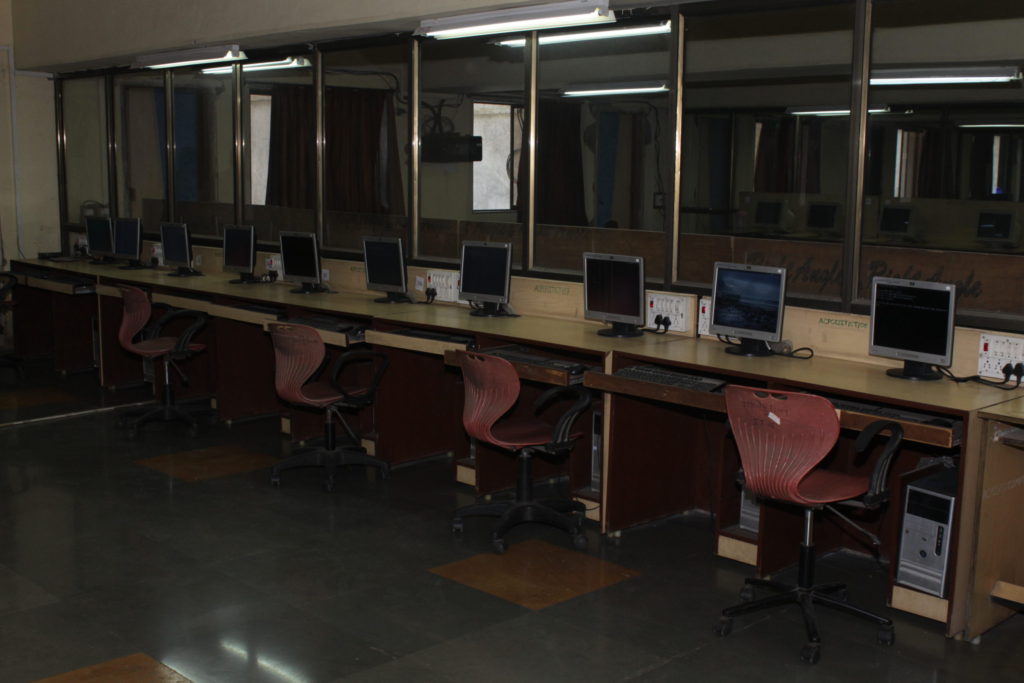
Laboratories