
A. C. Patil College of Engineering, Kharghar, proudly launches a new B.E. in Aeronautical Engineering (Affiliated to the University of Mumbai).

Email

admission@acpce.ac.in

Call

Call Us: 022-27745722/32

Enquiry Now

Department of Computer Engineering

Introduction

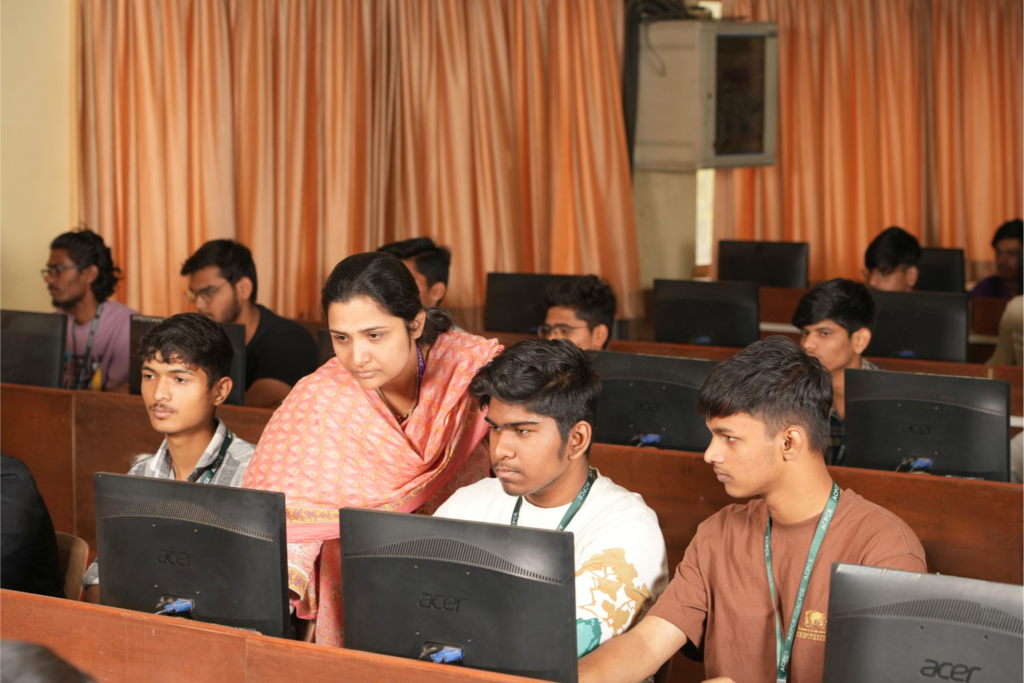
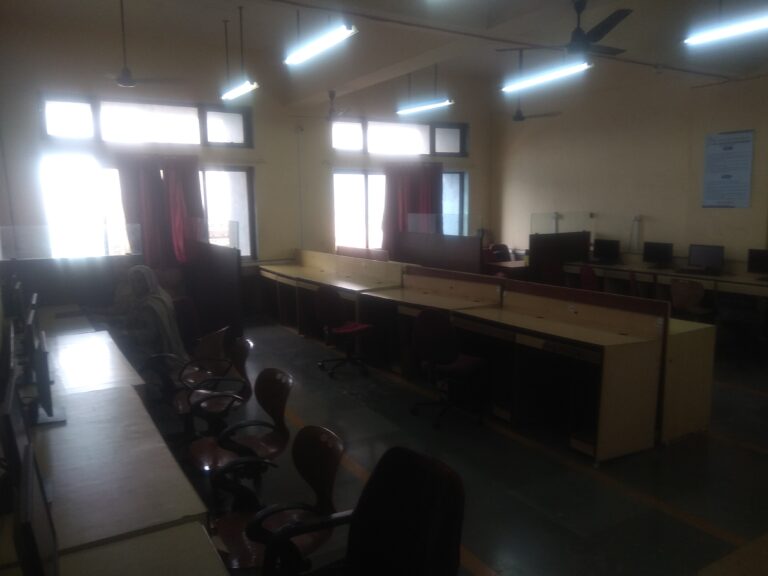
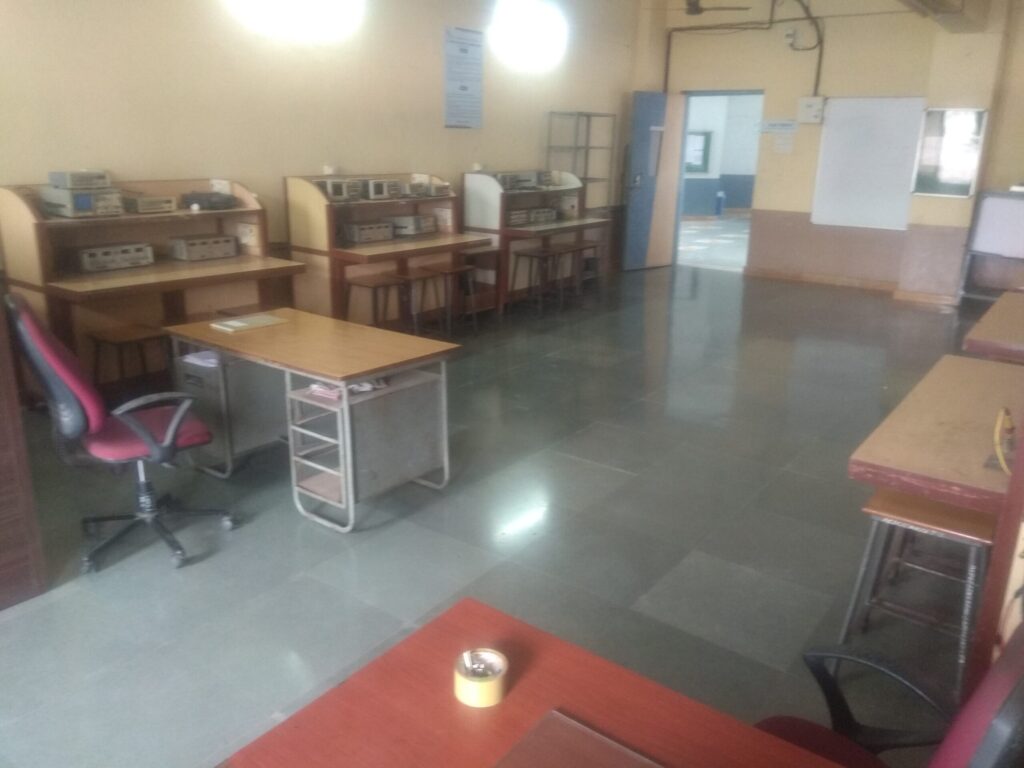
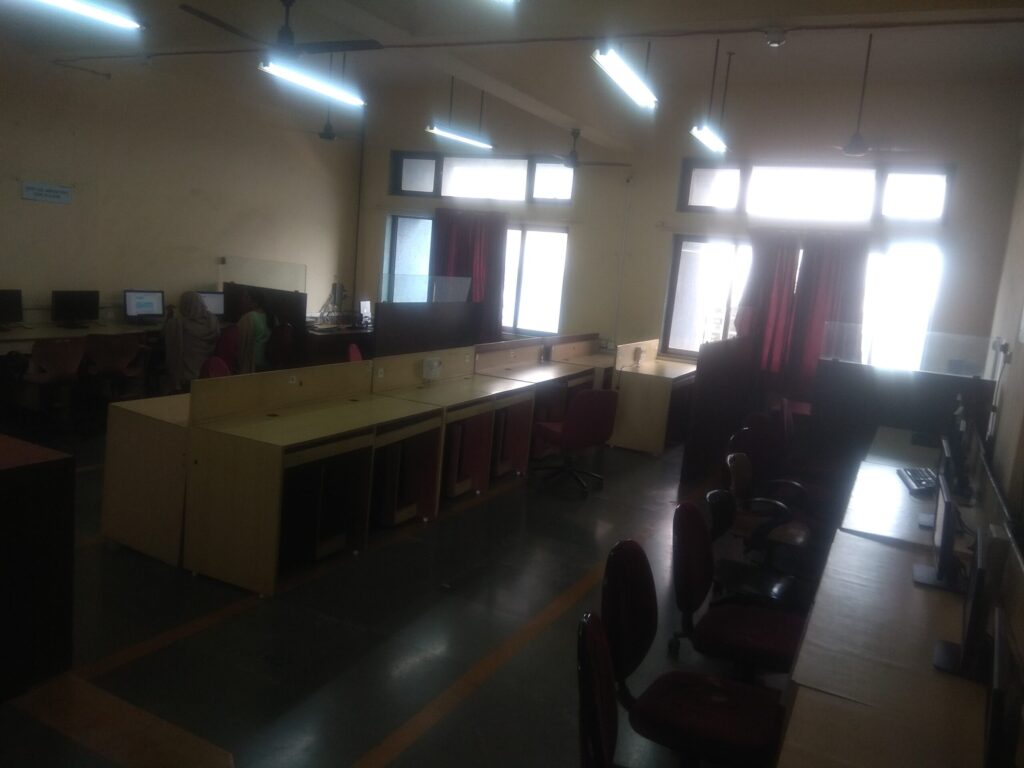
The Department of Computer Engineering, established in 1999 with an initial intake of 40 students, later increased to 60. The department also boasts a research center offering PhD programs, fostering advanced academic and research opportunities. Equipped with modern classrooms, state-of-the-art laboratories, and an extensive library, the department provides a dynamic learning environment. Expert faculty guide students, while promoting research and industry collaboration to stay aligned with the latest technological trends.

Department of Computer Engineering, Established in 1999.

Our Vision & Mission

Our Vision

To develop socially committed professionals in Computer engineering for fulfilling the needs of society and industries.

Our Mission

Program Educational Objectives(PEOs)
After successful completion of the program, the graduates will be able-
  • To engage in lifelong learning to adapt with rapidly changing technologies in the field of computer engineering.
  • To work effectively in team and exhibit ethical responsibilities.
  • To strengthen the knowledge in multidisciplinary areas of engineering.
Program Specific Outcomes(PSOs)
  • Demonstrate knowledge of programming, data science, operating systems and computer network security.
  • Apply professional computer engineering practices and strategies for the design, development, operation and maintenance of software.
Program Outcomes(POs)
  1. Engineering knowledge : Apply knowledge of mathematics, natural science, computing, engineering fundamentals and an engineering specialization as specified in WK1 to WK4 respectively to develop to the solution of complex engineering Problems.
  2. Problem Analysis : Problem Analysis: Identify, formulate, review research literature and analyze complex engineering problems reaching substantiated conclusions with consideration for sustainable development. (WK1 to WK4)
  3. Design/Development Solutions : Design/Development of Solutions: Design creative solutions for complex engineering problems and design/develop systems/components/processes to meet identified needs with consideration for the public health and safety, whole-life cost, net zero carbon, culture, society and environment as required. (WK5)
  4. Conduct investigations of complex problems: Conduct Investigations of Complex Problems: Conduct investigations of complex engineering problems using research-based knowledge including design of experiments, modelling, analysis & interpretation of data to provide valid conclusions. (WK8).
  5. The engineer Tool Usage: Create, select and apply appropriate techniques, resources and modern engineering & IT tools, including prediction and modelling recognizing their limitations to solve complex engineering problems. (WK2 and WK6)
  6. The Engineer and The World: Analyze and evaluate societal and environmental aspects while solving complex engineering problems for its impact on sustainability with reference to economy, health, safety, legal framework, culture and environment. (WK1, WK5, and WK7).
  7. Ethics : Apply ethical principles and commit to professional ethics, human values, diversity and inclusion; adhere to national & international laws.(WK9)
  8. Individual and Collaborative Team work: Function effectively as an individual, and as a member or leader in diverse/multi-disciplinary teams.
  9. Communication : Communicate effectively and inclusively within the engineering community and society at large, such as being able to comprehend and write effective reports and design documentation, make effective presentations considering cultural, language, and learning differences
  10. Project management and finance : Apply knowledge and understanding of engineering management principles and economic decision-making and apply these to one’s own work, as a member and leader in a team, and to manage projects and in multidisciplinary environments.
  11. Life-long learning : Recognize the need for, and have the preparation and ability for i) independent and life-long learning ii) adaptability to new and emerging technologies and iii) critical thinking in the broadest context of technological change. (WK8)

Message From HOD

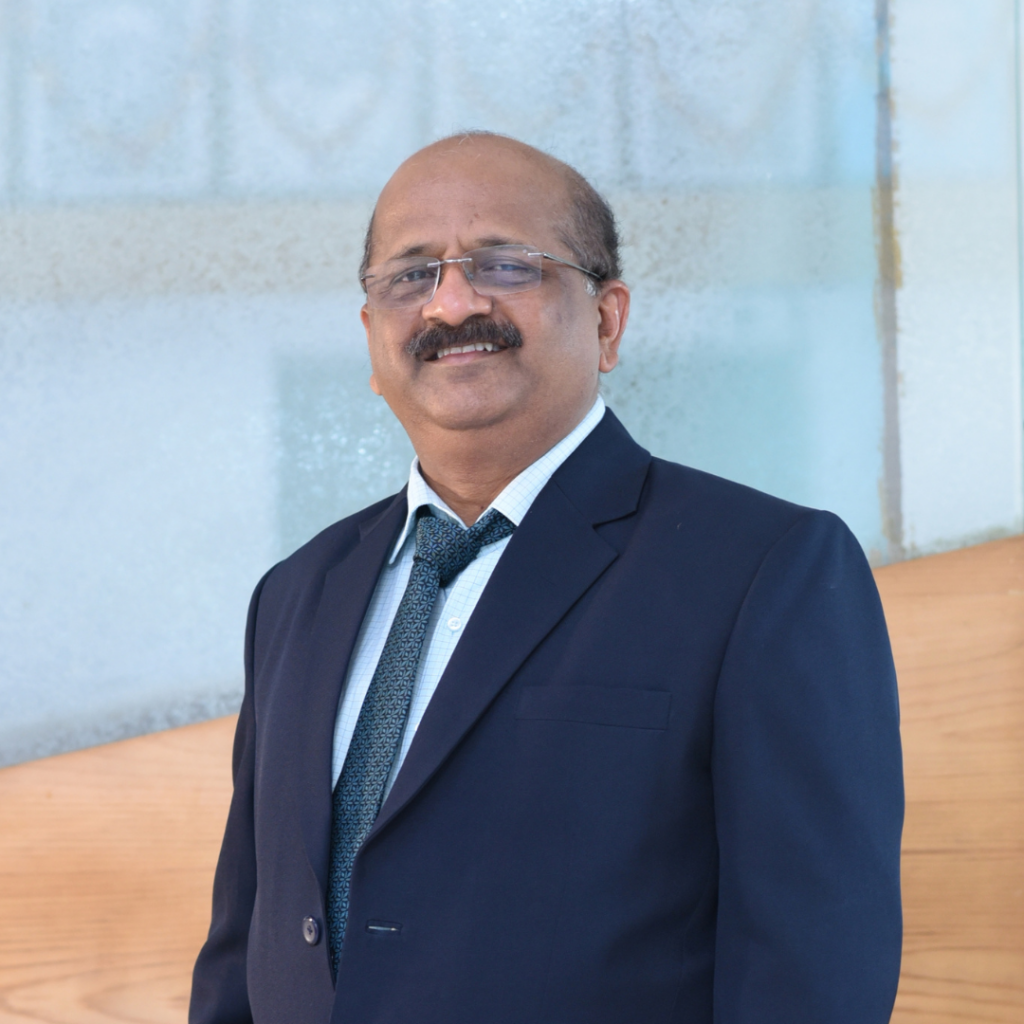
Greetings and welcome to the department of Computer Engineering. That department was established in 1999 with an intake of 60 and academic year 2024-25 is a silver jubilee year of the department. The intake of the department has increased to 120 seats from A.Y. 2024-2025. The department also has a Research Centre with an intake of 10 seats and 9 research scholars pursuing their PhD. The department has a vision to create technical manpower in the field of Computer Engineering to serve the society and industry. The department provides state-of-the-art laboratory and infrastructure facilities, experienced and highly qualified faculty members. The department has strong ties with industry and alumni. The department follows outcome-based education and gives a lot of flexibility by offering multiple electives, Honour/Minor courses. Our students are well placed in the top most IT industries and working on key positions. We look for holistic development of students. We welcome all the aspiring engineers to join the program. All the best wishes!

Dr. Manoj M. Deshpande

(BE, ME, PhD Tech.)

Faculty Details

Mrs. Pradnya Narnaware

Electrical Engineering

Mrs. Pradnya Narnaware

Electrical Engineering

Mrs. Pradnya Narnaware

Electrical Engineering
Mrs. Pradnya Narnaware

Electrical Engineering
Mrs. Pradnya Narnaware

Electrical Engineering
Mrs. Pradnya Narnaware

Electrical Engineering
Mrs. Pradnya Narnaware

Electrical Engineering

Mrs. Pradnya Narnaware

Electrical Engineering

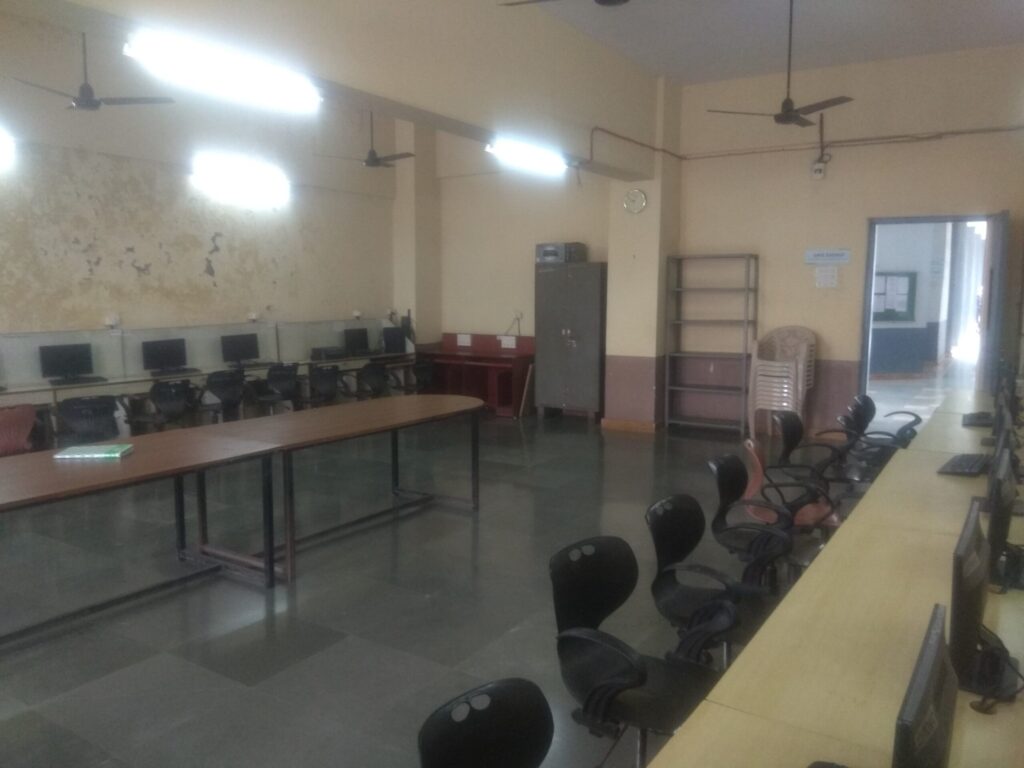
Laboratories