
A. C. Patil College of Engineering, Kharghar, proudly launches a new B.E. in Aeronautical Engineering (Affiliated to the University of Mumbai).

Email

admission@acpce.ac.in

Call

Call Us: 022-27745722/32

Enquiry Now

Department Of Computer Science & Engineering (Internet Of Things And Cyber Security Including Block Chain Technology)

Introduction

The Internet of things (IoT) is a system of interrelated computing devices, mechanical and digital machines provided with unique identifiers (UIDs) and the ability to transfer data over a network without requiring human-to-human or human-to-computer interaction. Cybersecurity is the protection of computer systems and networks from the theft of or damage to their hardware, software, or electronic data, as well as from the disruption or misdirection of the services they provide. Blockchain technology can be used to protect systems, and devices from attacks , blockchain security means that there is no longer a centralized authority controlling the network and verifying the data going through it Computer Science & Engineering (Internet of things and Cyber security including Block chain technology) undergraduate engineering course has been started by the institute from the academic year July 2020 with the intake capacity of 60 seats.

Our Vision & Mission

Our Vision

To be a pioneering center of excellence in computer science and engineering, developing skilled professionals and engineers, aspire to meet the needs of industries and society.

Our Mission

Program Educational Objectives(PEOs)

After successful completion of the program, the graduates will be able-

  • Apply the concept of computer science engineering to solve industry problems using modern tools and techniques
  • Acquire professional skills, ethical conduct, and sense of responsibility to succeed in a multi-disciplinary domain.
  • Pursue lifelong learning in research and development by providing innovative insights catering social values.
Program Specific Outcomes(PSOs)
  • To integrate diverse IoT components including sensors, actuators, edge devices, gateways, and cloud platforms into a cohesive architecture.
  • To solve real world problems using knowledge of IoT, cybersecurity and Blockchain technology.
Program Outcomes(POs)
  1. Engineering knowledge : Apply knowledge of mathematics, natural science, computing, engineering fundamentals and an engineering specialization as specified in WK1 to WK4 respectively to develop to the solution of complex engineering Problems.
  2. Problem Analysis : Problem Analysis: Identify, formulate, review research literature and analyze complex engineering problems reaching substantiated conclusions with consideration for sustainable development. (WK1 to WK4)
  3. Design/Development Solutions : Design/Development of Solutions: Design creative solutions for complex engineering problems and design/develop systems/components/processes to meet identified needs with consideration for the public health and safety, whole-life cost, net zero carbon, culture, society and environment as required. (WK5)
  4. Conduct investigations of complex problems: Conduct Investigations of Complex Problems: Conduct investigations of complex engineering problems using research-based knowledge including design of experiments, modelling, analysis & interpretation of data to provide valid conclusions. (WK8).
  5. The engineer Tool Usage: Create, select and apply appropriate techniques, resources and modern engineering & IT tools, including prediction and modelling recognizing their limitations to solve complex engineering problems. (WK2 and WK6)
  6. The Engineer and The World: Analyze and evaluate societal and environmental aspects while solving complex engineering problems for its impact on sustainability with reference to economy, health, safety, legal framework, culture and environment. (WK1, WK5, and WK7).
  7. Ethics : Apply ethical principles and commit to professional ethics, human values, diversity and inclusion; adhere to national & international laws.(WK9)
  8. Individual and Collaborative Team work: Function effectively as an individual, and as a member or leader in diverse/multi-disciplinary teams.
  9. Communication : Communicate effectively and inclusively within the engineering community and society at large, such as being able to comprehend and write effective reports and design documentation, make effective presentations considering cultural, language, and learning differences
  10. Project management and finance : Apply knowledge and understanding of engineering management principles and economic decision-making and apply these to one’s own work, as a member and leader in a team, and to manage projects and in multidisciplinary environments.
  11. Life-long learning : Recognize the need for, and have the preparation and ability for i) independent and life-long learning ii) adaptability to new and emerging technologies and iii) critical thinking in the broadest context of technological change. (WK8)

Message From HOD

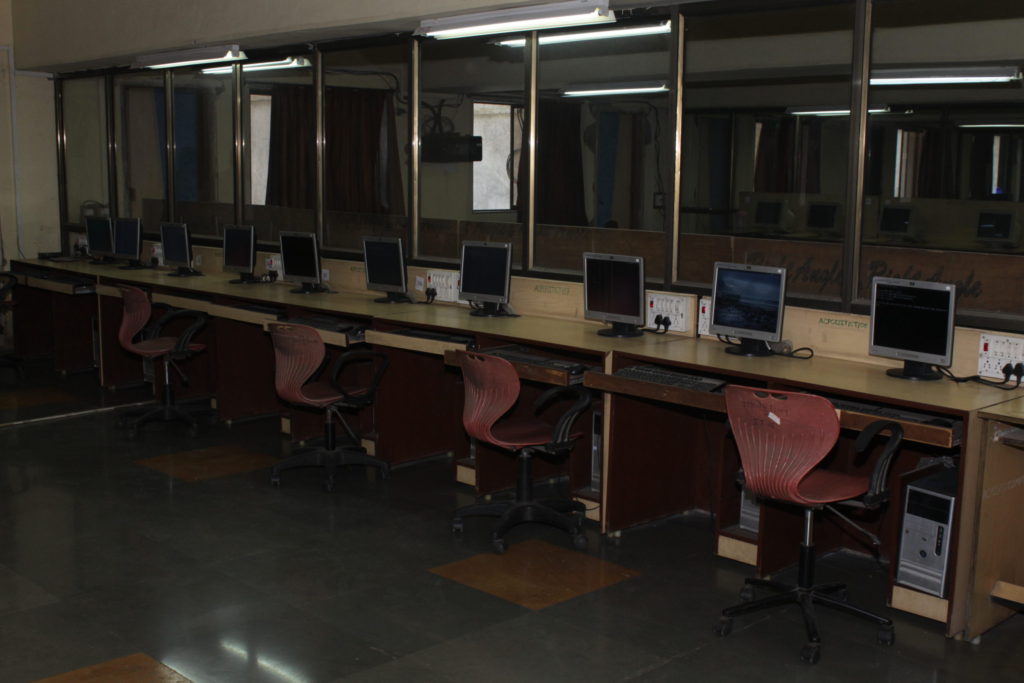
It is a great pleasure to introduce the Department of Computer Science and Engineering (IoT & Cyber Security Including Blockchain Technology). Started in 2020-21, with an intake of 60. The department is fully equipped with state of the art laboratories and experienced faculties who always strive for the 360 degree growth of students. “The Internet of Things (IoT) in today’s world has diverse applications serving areas such as healthcare, agriculture, smart cities, manufacturing, mining, etc. Every day-to-day device can communicate with each other if it is IoT-enabled. IoT has created new opportunities for business. Blockchain can provide secure transactions, helping in the verification and traceability of multi-step transactions. It can be used in voting platforms and many other applications. Cybersecurity can provide protection for all the data. Without cybersecurity programs, it is not possible to defend against data breaches, making it an irresistible target for cybercriminals. In the Computer Science and Engineering (CSE) program, students learn and practice the aforementioned technologies. Project-based learning can help students realise their ideas, solve problems using acquired knowledge, thereby assisting students in staying up to date with the latest knowledge and technological developments ongoing in the industry.” The department has signed a Memorandum of Understanding (MOU) with reputed industrial organisations to bring in industrial expertise, facilitating industrial visits, expert lectures, industry-oriented professional training, internships, and industrial projects. The department has a CSI Student Association. Various co-curricular and extracurricular activities are organised under this association. CSI-SA serves as a platform for showcasing the creativity and intellect of our students.

Dr. Manjusha Deshmukh

(BE, ME, Ph. D)

Faculty Details

Mrs. Pradnya Narnaware

Electrical Engineering

Mrs. Pradnya Narnaware

Electrical Engineering

Mrs. Pradnya Narnaware

Electrical Engineering
Mrs. Pradnya Narnaware

Electrical Engineering
Mrs. Pradnya Narnaware

Electrical Engineering
Mrs. Pradnya Narnaware

Electrical Engineering
Mrs. Pradnya Narnaware

Electrical Engineering

Mrs. Pradnya Narnaware

Electrical Engineering

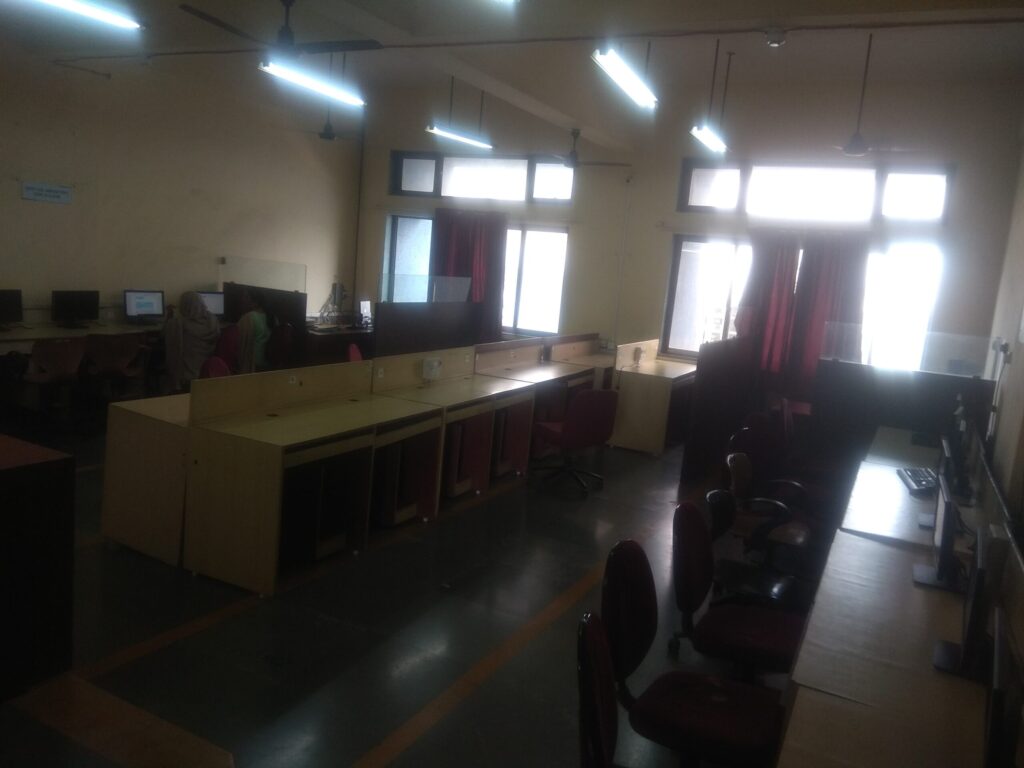
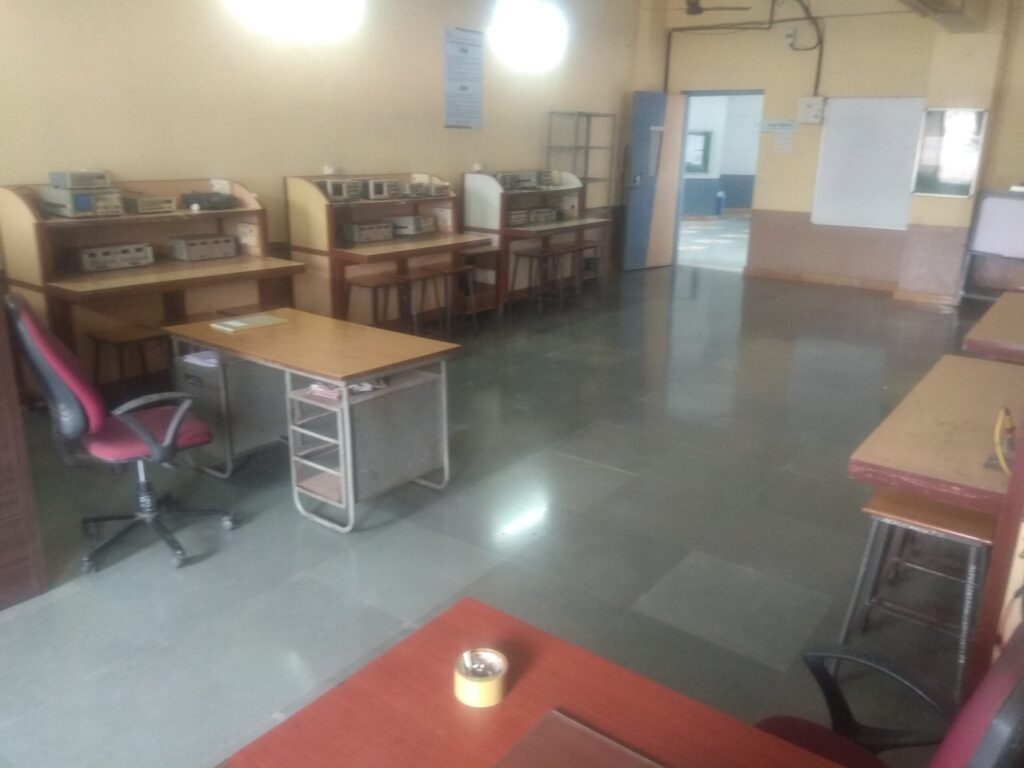
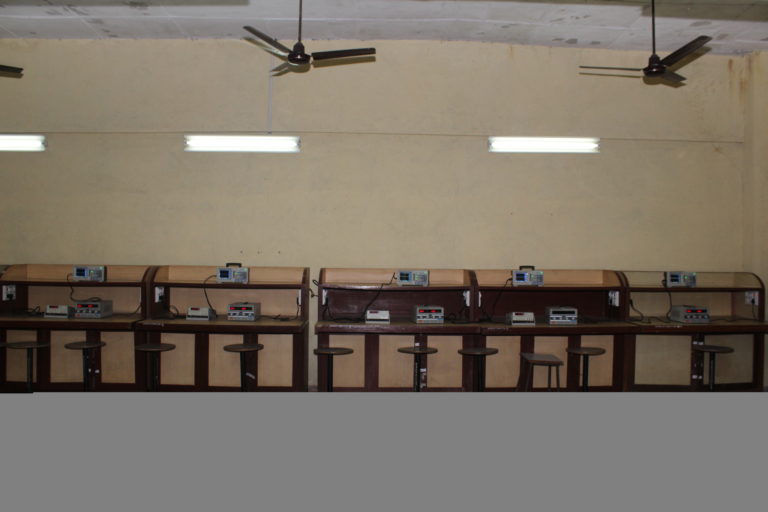
Laboratories