A. C. Patil College of Engineering, Kharghar, proudly launches a new B.E. in Aeronautical Engineering (Affiliated to the University of Mumbai).

Email

admission@acpce.ac.in

Call

Call Us: 022-27745722/32

Enquiry Now

Electronics & Telecommunication Engineering

Introduction

This department established in year 2003. It is one of the best teaching and learning centres with extensive reputation. Department develops skills and intensify knowledge of student in the field of Electronics & telecommunication Engineering. It has been instrumental in producing quality engineers of global standards with capabilities of facing new challenges in the Telecommunication engineering and technology. Several students who have passed out successfully of this department are holding significant positions at esteemed companies.

Department Established in 2003

Our Vision & Mission

Our Vision

To create socially responsible Telecommunication engineers.

Our Mission

Program Education Outcomes(PEOs)

PEO1 : Apply concepts of mathematics, Embedded systems and computing to Electronics and Telecommunication Engineering.

PEO2: Able to design and develop interdisciplinary and innovative systems.

PEO3: Able to inculcate effective communication skills, ethics, leadership in preparation for a successful career in telecommunication industry and R&D organizations.


Program Specific Outcomes(PSOs)

PSO1 : Skilled Professional: To analyze, design, and implement Telecommunication systems, Embedded systems, Microwave systems, control systems.
PSO2 : Research Techniques & Methodologies: To apply project management techniques to Electronics & telecommunication systems and to utilize statistics & probability, discrete mathematics, transform methods in support of Telecommunication systems.

Program Outcomes(POs)
  1. Engineering knowledge : Apply knowledge of mathematics, natural science, computing, engineering fundamentals and an engineering specialization as specified in WK1 to WK4 respectively to develop to the solution of complex engineering Problems.
  2. Problem Analysis : Problem Analysis: Identify, formulate, review research literature and analyze complex engineering problems reaching substantiated conclusions with consideration for sustainable development. (WK1 to WK4)
  3. Design/Development Solutions : Design/Development of Solutions: Design creative solutions for complex engineering problems and design/develop systems/components/processes to meet identified needs with consideration for the public health and safety, whole-life cost, net zero carbon, culture, society and environment as required. (WK5)
  4. Conduct investigations of complex problems: Conduct Investigations of Complex Problems: Conduct investigations of complex engineering problems using research-based knowledge including design of experiments, modelling, analysis & interpretation of data to provide valid conclusions. (WK8).
  5. The engineer Tool Usage: Create, select and apply appropriate techniques, resources and modern engineering & IT tools, including prediction and modelling recognizing their limitations to solve complex engineering problems. (WK2 and WK6)
  6. The Engineer and The World: Analyze and evaluate societal and environmental aspects while solving complex engineering problems for its impact on sustainability with reference to economy, health, safety, legal framework, culture and environment. (WK1, WK5, and WK7).
  7. Ethics : Apply ethical principles and commit to professional ethics, human values, diversity and inclusion; adhere to national & international laws.(WK9)
  8. Individual and Collaborative Team work: Function effectively as an individual, and as a member or leader in diverse/multi-disciplinary teams.
  9. Communication : Communicate effectively and inclusively within the engineering community and society at large, such as being able to comprehend and write effective reports and design documentation, make effective presentations considering cultural, language, and learning differences
  10. Project management and finance : Apply knowledge and understanding of engineering management principles and economic decision-making and apply these to one’s own work, as a member and leader in a team, and to manage projects and in multidisciplinary environments.
  11. Life-long learning : Recognize the need for, and have the preparation and ability for i) independent and life-long learning ii) adaptability to new and emerging technologies and iii) critical thinking in the broadest context of technological change. (WK8)

Message From HOD

The Department of Electronics and Communication Engineering is one of the most dynamic departments at the institute. It equips students with the skills to apply their knowledge effectively in multidisciplinary teams. The department also fosters leadership and technical expertise, emphasizing the importance of ethical engineering practices. Its goal is not only to make students technically proficient and knowledgeable but also to cultivate wisdom, making them more responsible and well-rounded individuals. The department is committed to serving society and humanity. We are pleased to see that a significant number of our students are placed in core companies and IT sectors, with many also pursuing higher education abroad.

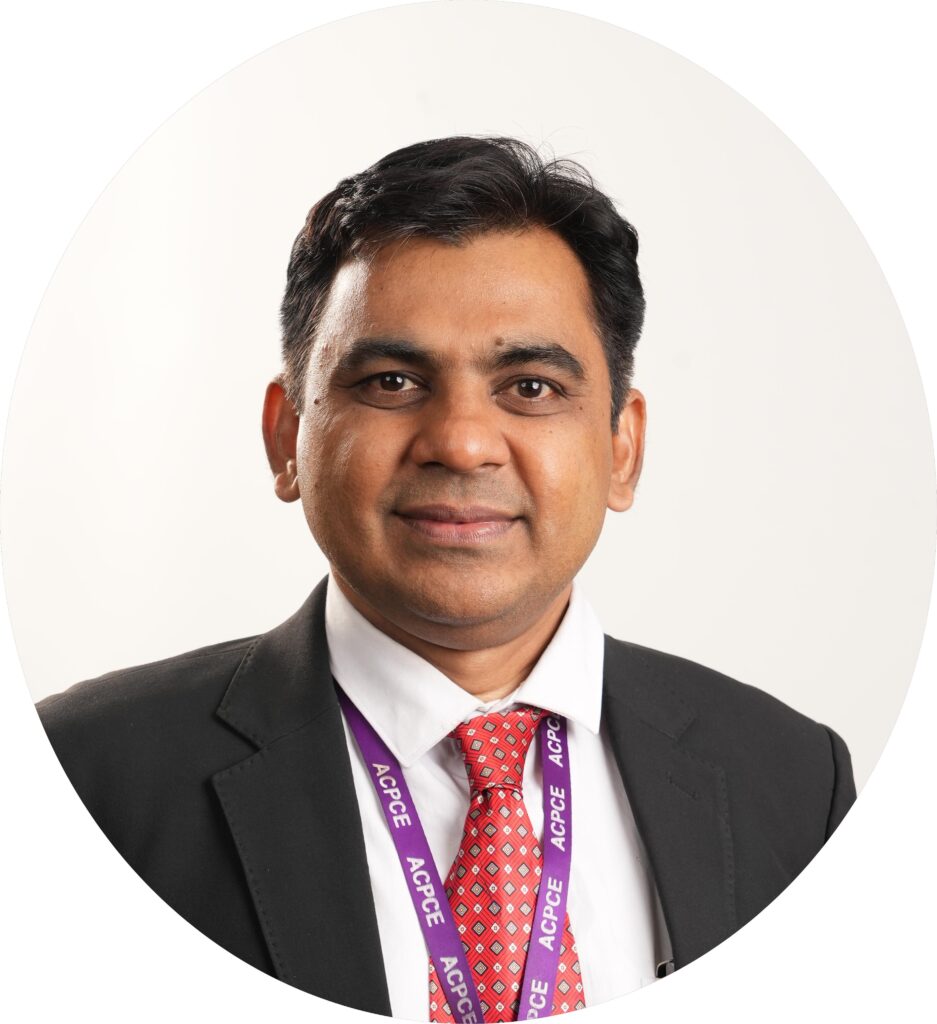
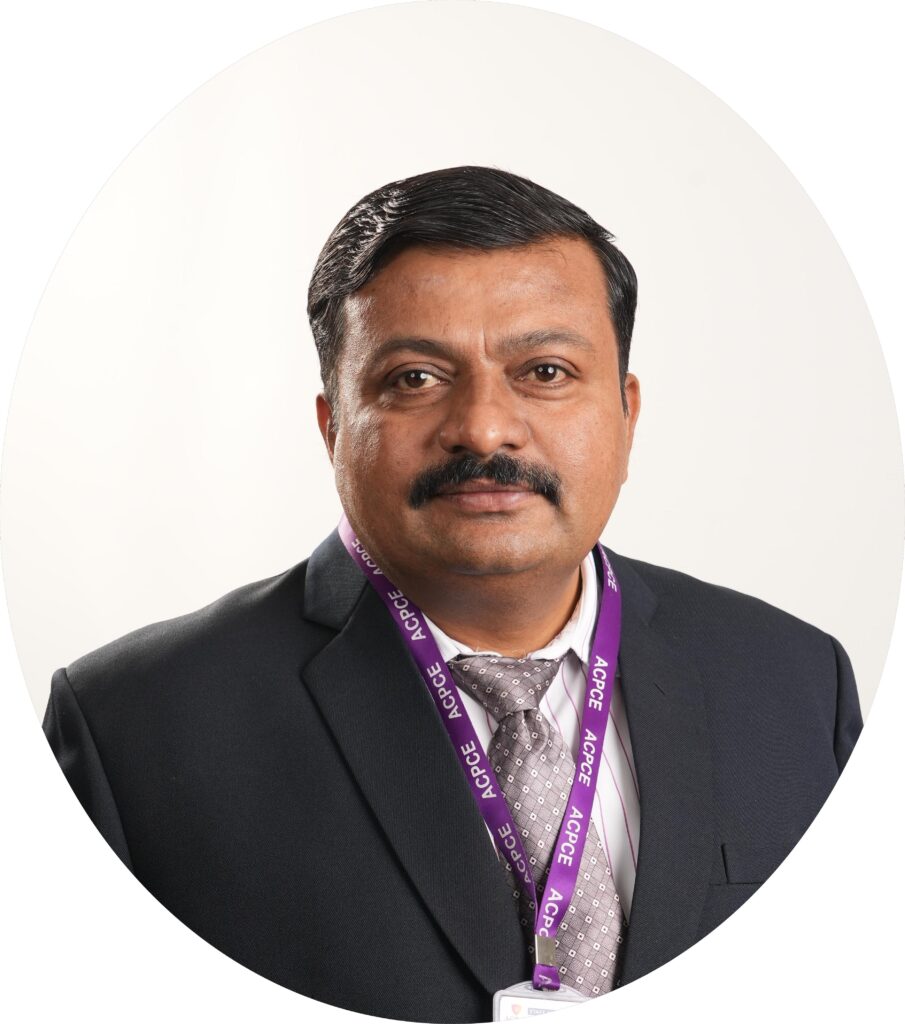
Dr. Deepak S. Marathe

(BE, ME, PhD Tech.)

Electronics & Telecommunication in ACPCE

Electronics and Telecommunication Engineering Scope and Contents

Faculty Details

Dr. V. N. Pawar

Principal and Professor

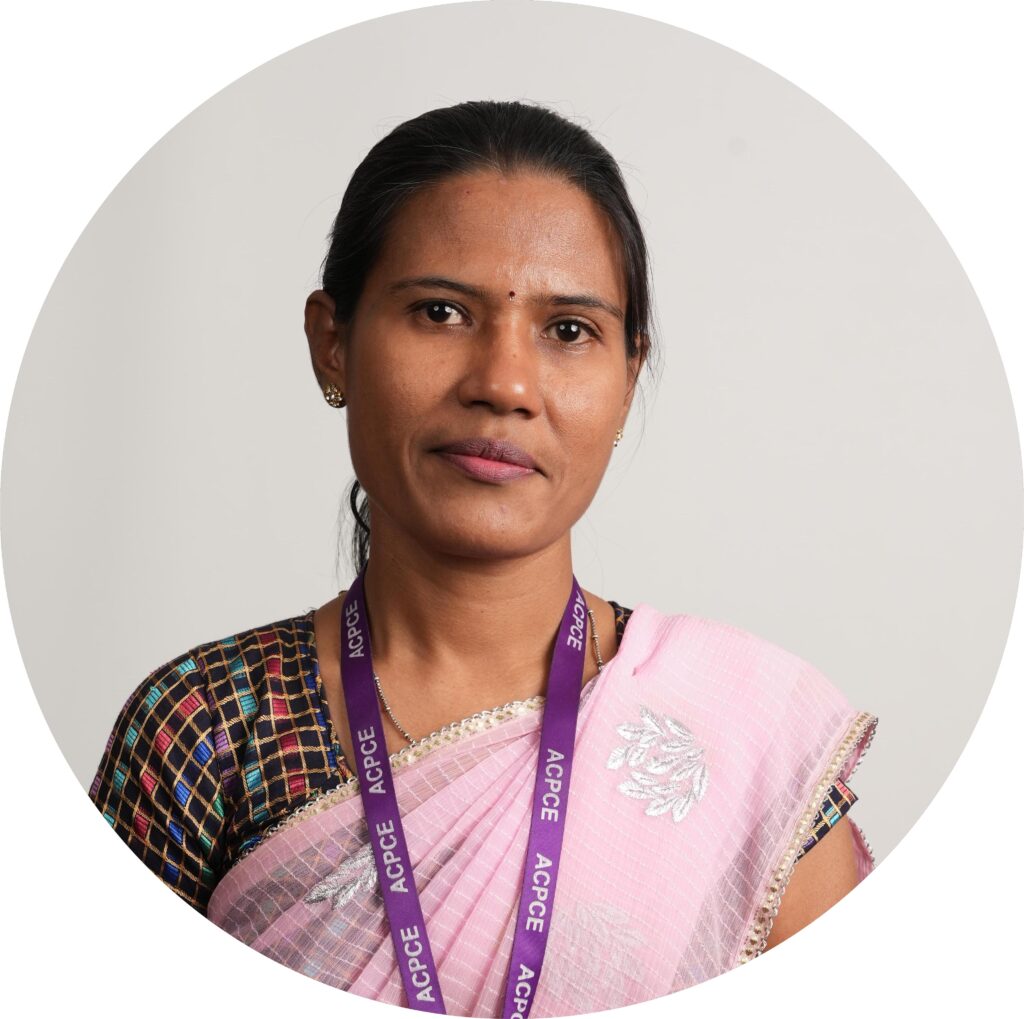
Mrs. Pradnya Narnaware

Electrical Engineering

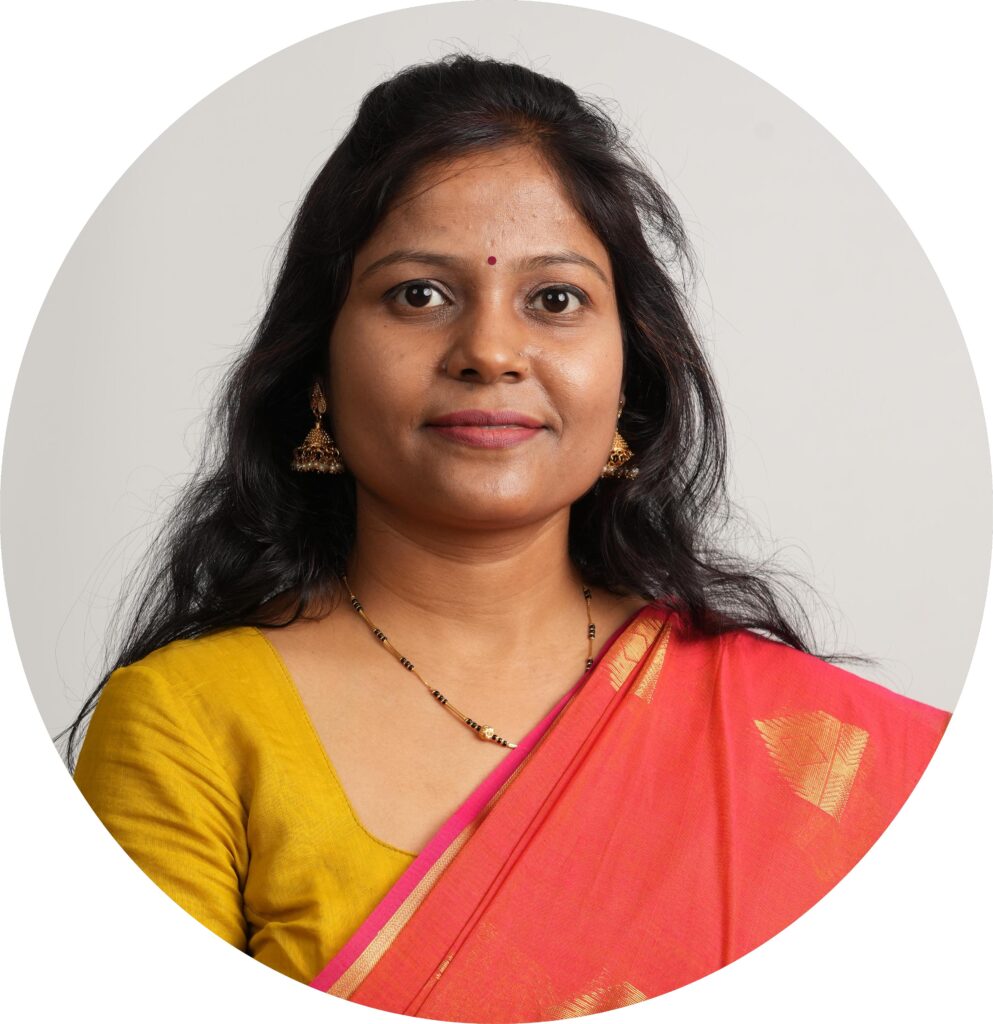
Mrs. Pradnya Narnaware

Electrical Engineering

Mrs. Pradnya Narnaware

Electrical Engineering

Mrs. Pradnya Narnaware

Electrical Engineering

Mrs. Pradnya Narnaware

Electrical Engineering

Mrs. Pradnya Narnaware

Electrical Engineering

Mrs. Pradnya Narnaware

Electrical Engineering

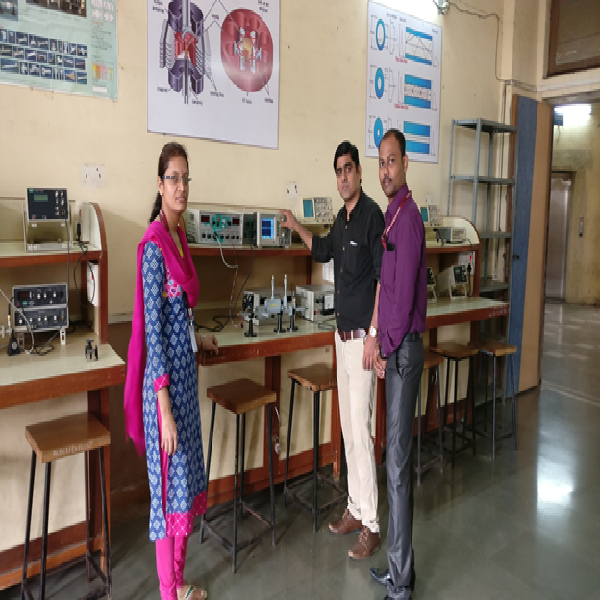
Laboratories