A. C. Patil College of Engineering, Kharghar, proudly launches a new B.E. in Aeronautical Engineering (Affiliated to the University of Mumbai).

Email

admission@acpce.ac.in

Call

Call Us: 022-27745722/32

Enquiry Now

Department of Electrical Engineering

Introduction Electrical Engineering

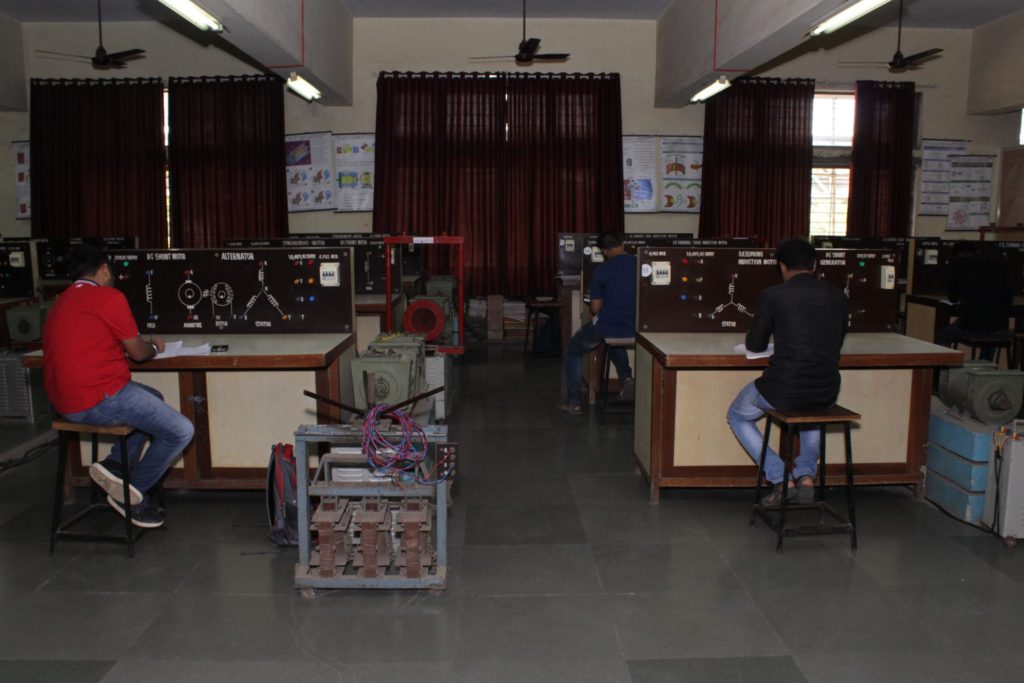
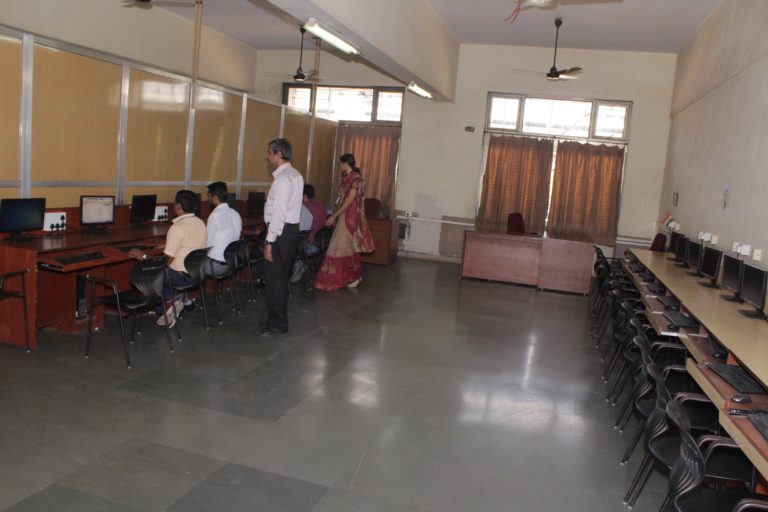
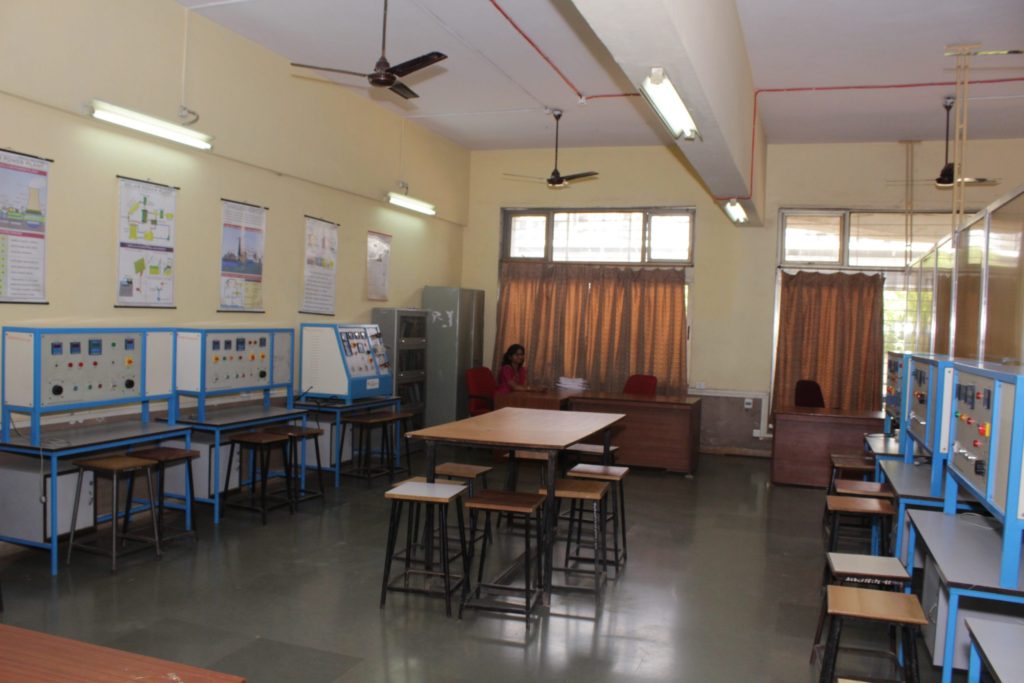
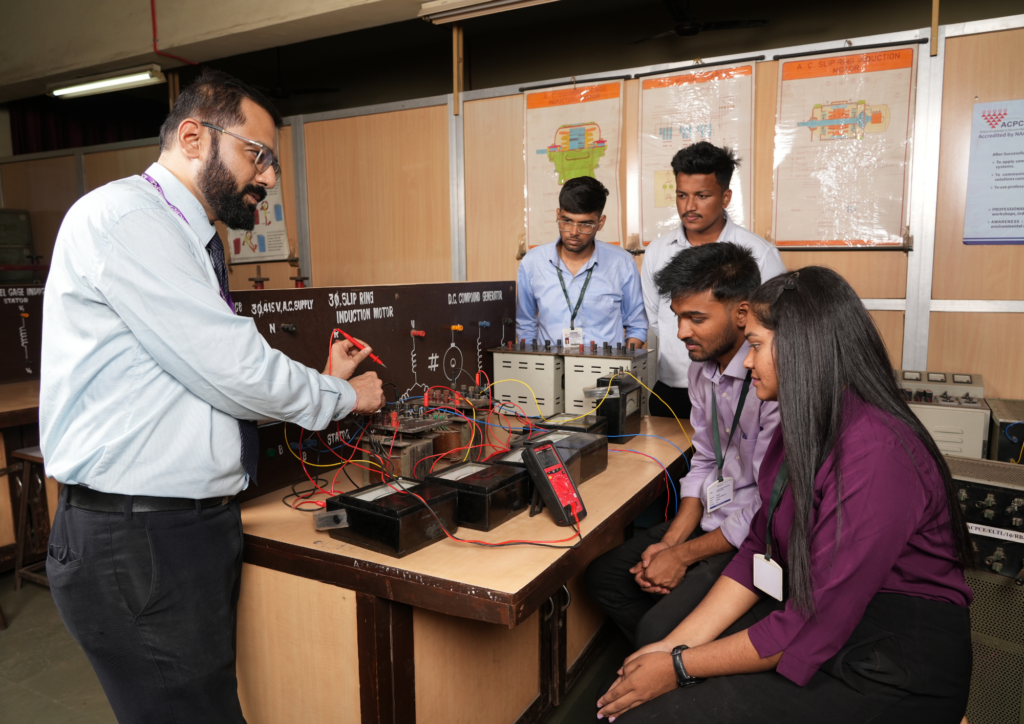
The Department of Electrical Engineering at ACPCE is committed to providing students with the latest and most advanced technical knowledge in the field of Electrical Engineering. The department boasts a team of experienced and highly qualified faculty members who are dedicated to guiding students in their academic and professional growth. The department is equipped with modern classrooms and state-of-the-art laboratories, ensuring that students receive practical, hands-on experience. Additionally, the department’s library houses an extensive collection of books and resources, supporting students in their learning journey.

Program Educational Objectives(PEOs)

PEO1 : To apply concepts of Electrical Engineering using modern tools for the design and analysis of systems.
PEO2 : To communicate and contribute in research and development by providing innovative solutions considering social values.
PEO3 : To use professional and personal skills to succeed in multi-disciplinary activities.

Program Specific Outcomes(PSOs)

PSO1: To create professionals through the use of commercial tools, expert talks, workshops, industrial visits, participation in technical events, and in-plant training.
PSO2: To inculcate a nation-first consciousness through cultural, social, and environmental activities

Program Outcomes(POs)
  1. Engineering knowledge : Apply knowledge of mathematics, natural science, computing, engineering fundamentals and an engineering specialization as specified in WK1 to WK4 respectively to develop to the solution of complex engineering Problems.
  2. Problem Analysis : Problem Analysis: Identify, formulate, review research literature and analyze complex engineering problems reaching substantiated conclusions with consideration for sustainable development. (WK1 to WK4)
  3. Design/Development Solutions : Design/Development of Solutions: Design creative solutions for complex engineering problems and design/develop systems/components/processes to meet identified needs with consideration for the public health and safety, whole-life cost, net zero carbon, culture, society and environment as required. (WK5)
  4. Conduct investigations of complex problems: Conduct Investigations of Complex Problems: Conduct investigations of complex engineering problems using research-based knowledge including design of experiments, modelling, analysis & interpretation of data to provide valid conclusions. (WK8).
  5. The engineer Tool Usage: Create, select and apply appropriate techniques, resources and modern engineering & IT tools, including prediction and modelling recognizing their limitations to solve complex engineering problems. (WK2 and WK6)
  6. The Engineer and The World: Analyze and evaluate societal and environmental aspects while solving complex engineering problems for its impact on sustainability with reference to economy, health, safety, legal framework, culture and environment. (WK1, WK5, and WK7).
  7. Ethics : Apply ethical principles and commit to professional ethics, human values, diversity and inclusion; adhere to national & international laws.(WK9)
  8. Individual and Collaborative Team work: Function effectively as an individual, and as a member or leader in diverse/multi-disciplinary teams.
  9. Communication : Communicate effectively and inclusively within the engineering community and society at large, such as being able to comprehend and write effective reports and design documentation, make effective presentations considering cultural, language, and learning differences
  10. Project management and finance : Apply knowledge and understanding of engineering management principles and economic decision-making and apply these to one’s own work, as a member and leader in a team, and to manage projects and in multidisciplinary environments.
  11. Life-long learning : Recognize the need for, and have the preparation and ability for i) independent and life-long learning ii) adaptability to new and emerging technologies and iii) critical thinking in the broadest context of technological change. (WK8)

Most Advanced Technical Knowledge in the field of Electrical Engineering.

Our Vision & Mission

Our Vision

To develop professionals in the field of Electrical Engineering domain having social values.

Our Mission

Message From HOD

The growth of a nation relies heavily on resources for industrial and agricultural development, with electrical energy being a key resource in both underdeveloped and developed countries. The generation, transmission, and distribution of electrical energy continue to grow, highlighting the vital role of electrical engineers in daily life. The Electrical Engineering undergraduate program, established in 1992 with an intake of 60, includes a recognized research center by the University of Mumbai since 2019. The department focuses on producing skilled professionals, supported by experienced faculty, staff, and necessary infrastructure. Many faculty members contribute to curriculum design and assessment at the University level. The curriculum emphasizes practical, multidisciplinary learning through projects and optional courses.

Dr. Dipti D. Patil

(M.E. PhD.)

Faculty Details

Dr. Sawata Deore

Principal and Professor

Dr. Dipti D. Patil

Head and Assistant Professor

Mrs. Jaishree. S. Jadhav

Assistant Professor

Mr Atul A. Kale

Assistant Professor

Ms Sangita Nandurkar

Assistant Professor

Mrs Sanjeevani Murari

Assistant Professor

Mrs Surekha Mahadik

Assistant Professor

Mr. Aniruddha Ray

Assistant Professor

Ms. Puja B Sutar

Assistant Professor

Mrs. Pradnya Narnaware

Assistant Professor
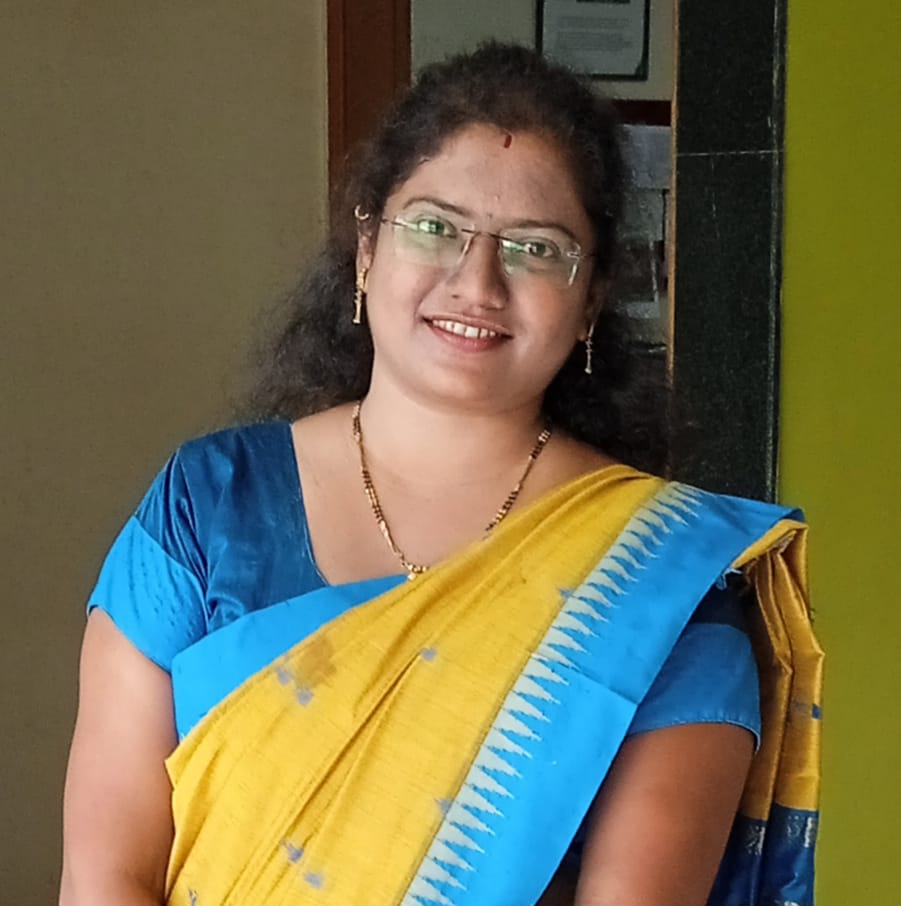
Mrs. Vrushali Sonawane

Assistant Professor

Mr Hemant Mahajan

Electronics & Telecommunication Engg.ring
Dr Mohan S. Selokar

Humanity and Science
Mr Suresh Pingale

Artificial Intelligence & Data Science
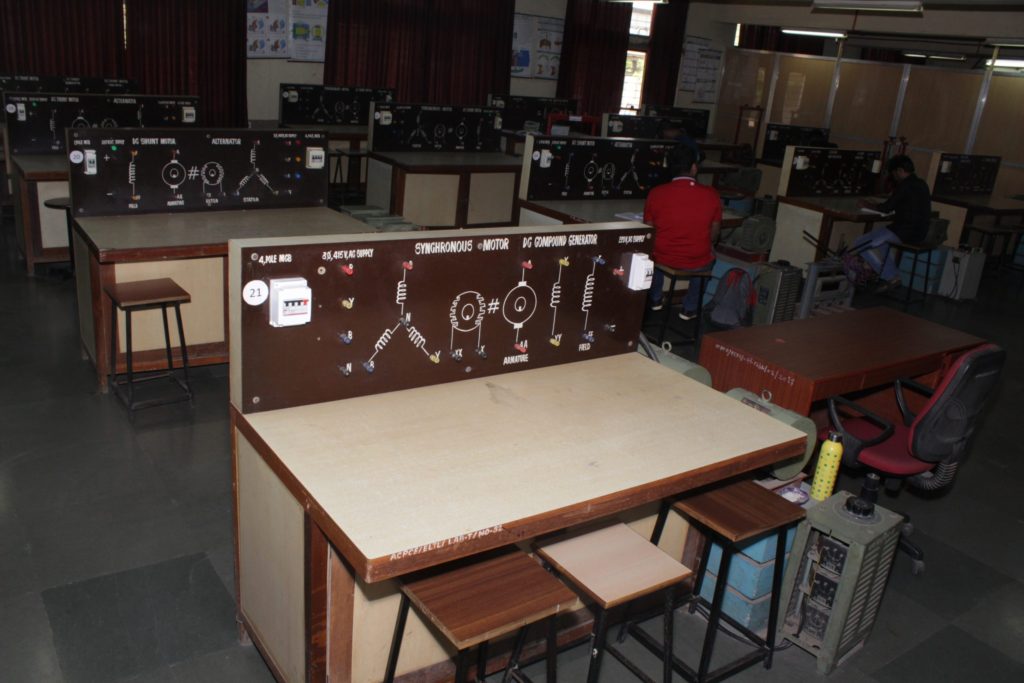
Laboratories