Department Of Information Technology
Introduction
The Information Technology Department is commenced in the year 2001 with an intake of 30 seats. In the very next year, the intake increased to 60 seats. The department consistently organizes various seminars, workshops, and guest lectures on the latest advancements in Information Technology to give student exposure beyond the curriculum. The Department is equipped with a team of well qualified and experienced faculty to improve and enrich the knowledge of the student’s community. Faculty members of the department constantly upgrade themselves to keep track of research and development in the upcoming cutting edge technologies. The department has its own students association CSI-ACPCE under the umbrella of CSI. Students are also provided with a platform to improve their skills by organizing various technical activities under the banner of CSI-ACPCE.
Department is commenced in the year 2001
Our Vision & Mission
Our Vision
Our Mission
- To build foundation of IT with interactive teaching learning approach.
- To Provide facilities for learning IT technologies with industry interaction.
- To impart social skills by encouraging co-curricular and extra-curricular activities.
After successful completion of the program, the graduates will be able-
1 To acquire knowledge of core and emerging areas of Information Technology.
2 To develop the problem solving ability by formulating, analyzing and solving real world problems with the help of Information Technology.
3 To inculcate professional ethics and teamwork skills to build a successful career.
1 To analyse complex business activities and requirements to design and develop appropriate Information Technology solution.
2 To develop new technologies and modern tools by applying relevant techniques in the domains of algorithms, programming, web based systems, data analytics, networking and embedded systems.
- Engineering knowledge : Apply knowledge of mathematics, natural science, computing, engineering fundamentals and an engineering specialization as specified in WK1 to WK4 respectively to develop to the solution of complex engineering Problems.
- Problem Analysis : Problem Analysis: Identify, formulate, review research literature and analyze complex engineering problems reaching substantiated conclusions with consideration for sustainable development. (WK1 to WK4)
- Design/Development Solutions : Design/Development of Solutions: Design creative solutions for complex engineering problems and design/develop systems/components/processes to meet identified needs with consideration for the public health and safety, whole-life cost, net zero carbon, culture, society and environment as required. (WK5)
- Conduct investigations of complex problems: Conduct Investigations of Complex Problems: Conduct investigations of complex engineering problems using research-based knowledge including design of experiments, modelling, analysis & interpretation of data to provide valid conclusions. (WK8).
- The engineer Tool Usage: Create, select and apply appropriate techniques, resources and modern engineering & IT tools, including prediction and modelling recognizing their limitations to solve complex engineering problems. (WK2 and WK6)
- The Engineer and The World: Analyze and evaluate societal and environmental aspects while solving complex engineering problems for its impact on sustainability with reference to economy, health, safety, legal framework, culture and environment. (WK1, WK5, and WK7).
- Ethics : Apply ethical principles and commit to professional ethics, human values, diversity and inclusion; adhere to national & international laws.(WK9)
- Individual and Collaborative Team work: Function effectively as an individual, and as a member or leader in diverse/multi-disciplinary teams.
- Communication : Communicate effectively and inclusively within the engineering community and society at large, such as being able to comprehend and write effective reports and design documentation, make effective presentations considering cultural, language, and learning differences
- Project management and finance : Apply knowledge and understanding of engineering management principles and economic decision-making and apply these to one’s own work, as a member and leader in a team, and to manage projects and in multidisciplinary environments.
- Life-long learning : Recognize the need for, and have the preparation and ability for i) independent and life-long learning ii) adaptability to new and emerging technologies and iii) critical thinking in the broadest context of technological change. (WK8)
Message From HOD
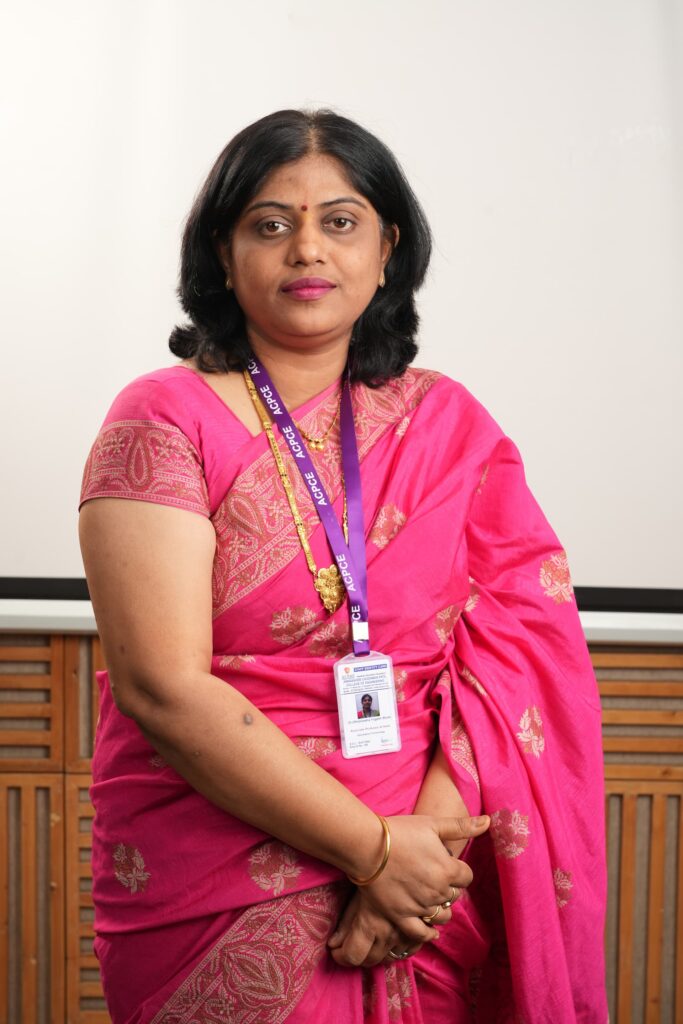
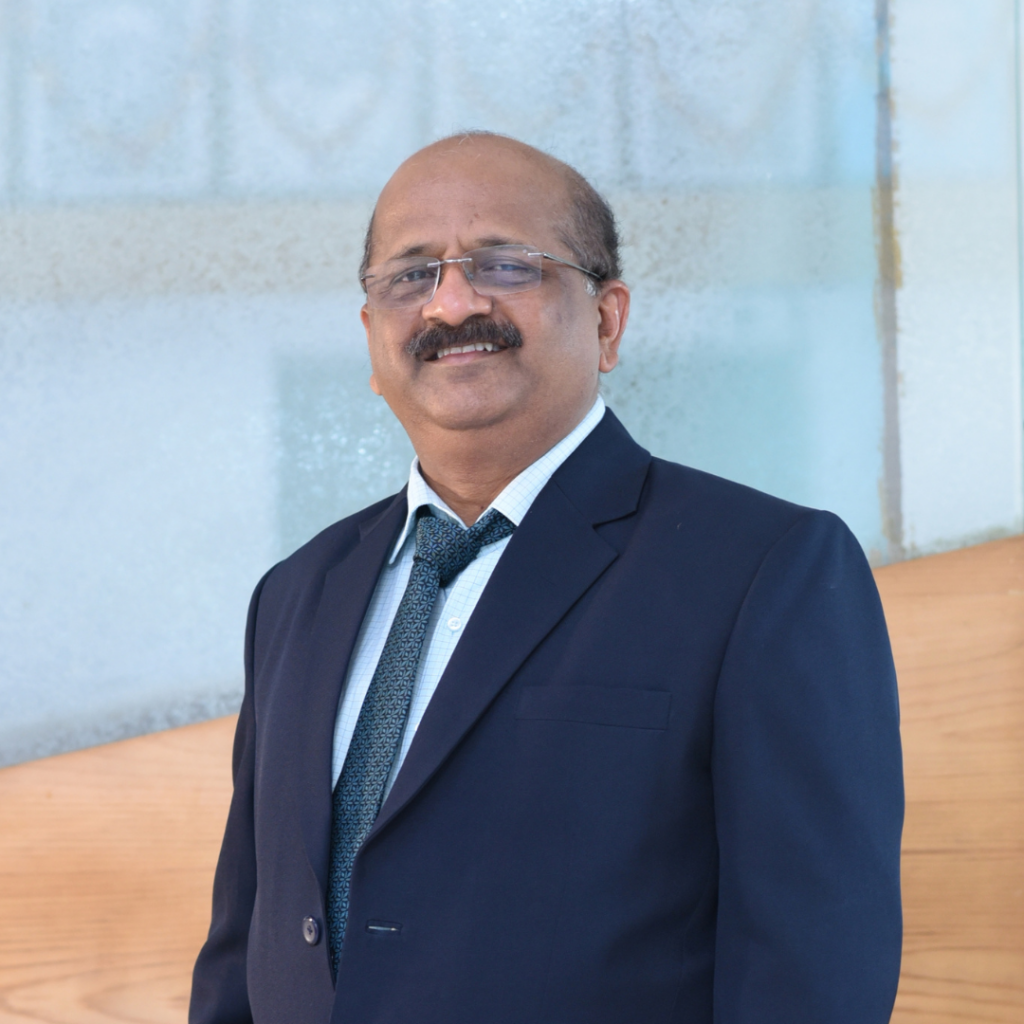
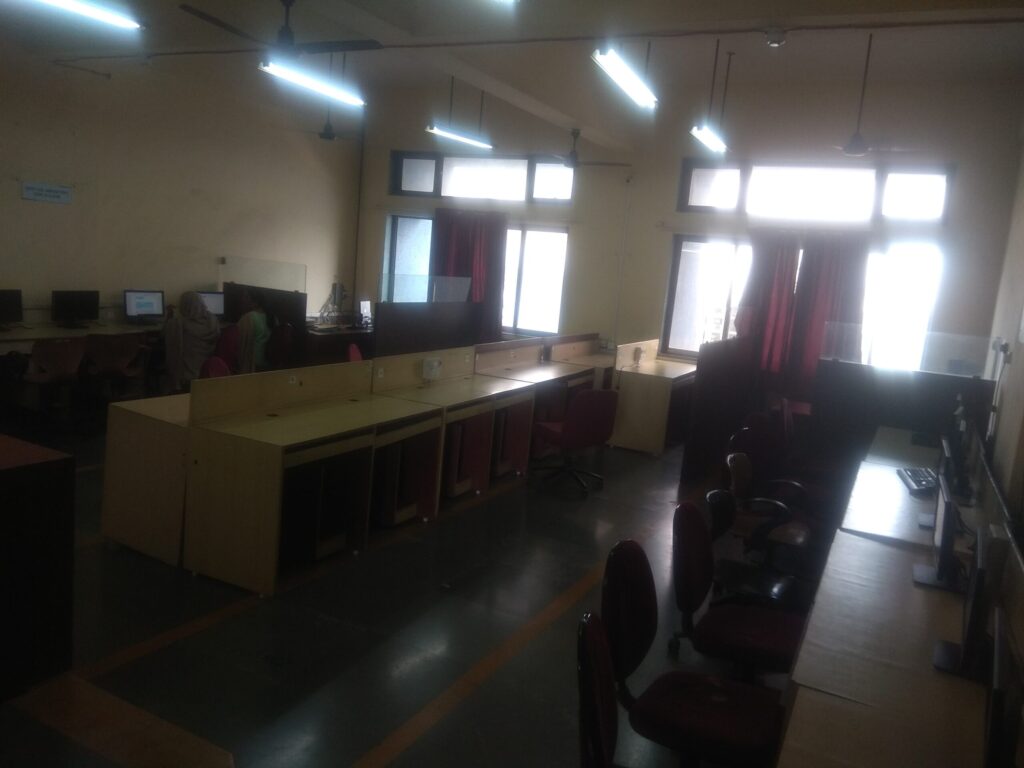
The aim of education is the pursuit of knowledge. The rapid evolution of society and technology demands engineers who can think creatively and tackle engineering challenges while designing innovative products. Established in 2001, the Department of Information Technology with a vision to develop IT professionals through high-quality education. Our dedicated faculty members excel in their fields and adapt to market demands, ensuring students receive relevant training. Equipped with state-of-the-art labs and research facilities, we focus on building strong academic foundations, discipline, ethics, skill development, and creativity. Our commitment extends to mentoring, counselling, personality development, and maintaining strong alumni relations to produce globally competent IT engineers.
Dr. Varsha Bhole
(BE, ME, PhD Tech.)
Syllabus
Faculty Details
Mrs. Pradnya Narnaware
Electrical Engineering
Mrs. Pradnya Narnaware
Electrical Engineering
Mrs. Pradnya Narnaware
Electrical Engineering
Mrs. Pradnya Narnaware
Electrical Engineering
Mrs. Pradnya Narnaware
Electrical Engineering
Mrs. Pradnya Narnaware
Electrical Engineering
Mrs. Pradnya Narnaware
Electrical Engineering
Mrs. Pradnya Narnaware
Electrical Engineering
Mrs. Pradnya Narnaware
Electrical Engineering
Mrs. Pradnya Narnaware
Electrical Engineering
Mrs. Pradnya Narnaware
Electrical Engineering
Mrs. Pradnya Narnaware
Electrical Engineering
Mrs. Pradnya Narnaware
Electrical Engineering
Mrs. Pradnya Narnaware
Electrical Engineering
Mrs. Pradnya Narnaware
Electrical Engineering
Mrs. Pradnya Narnaware
Electrical Engineering